Author: Ismail

  • Market Today | Could Figma Stock Price Drop Even Further? Here’s Why

    Market Today | Could Figma Stock Price Drop Even Further? Here’s Why

    Figma (NYSE: FIG) has been one of the most closely watched stocks since its blockbuster IPO in mid-2025. After an explosive debut that saw shares briefly soar above $140, the stock has given up most of those gains. As of March 23, 2026, Figma closed at $23.20, down more than 2% on the day and roughly 37% year-to-date. Many investors are now asking whether the pain is over or if more downside lies ahead in the coming months.

    The biggest reason for concern is slowing growth combined with heavy losses. Figma’s revenue continues to expand at an impressive pace, but analysts expect the growth rate to decelerate noticeably in 2026. At the same time, the company is burning significant cash due to high stock-based compensation, heavy investment in AI features, and aggressive product expansion. With the stock still trading at a premium valuation relative to its current earnings power, any disappointment in upcoming quarterly guidance could trigger fresh selling pressure.

    Another major headwind is intensifying competition and AI disruption. Traditional rivals like Adobe are pushing harder into collaborative design, while new AI-powered tools are rapidly automating parts of the UI/UX workflow that Figma once dominated. Investors worry that Figma may have to spend even more to stay ahead, further pressuring margins. Broader market rotation away from high-growth tech names has also played a role in the recent decline.

    Adding to the uncertainty is the overhang from share lock-up expirations. A large portion of insider and early investor shares remains restricted, with significant unlocks scheduled throughout 2026. History shows that these supply-driven events often lead to increased selling, especially when the stock has already fallen sharply from its post-IPO highs. This technical pressure could keep a lid on any near-term recovery.

    While some analysts remain bullish with average price targets around $40–$43, the near-term risks are real. If Figma fails to reassure the market on growth sustainability and profitability path in its next earnings report, the stock could test even lower levels in the $19–$20 range. Investors should watch revenue guidance, AI monetization updates, and margin trends closely before considering fresh positions.


  • Market Today | Why Nikkei 225 Could Rise 1-3% Today

    Market Today | Why Nikkei 225 Could Rise 1-3% Today

    The Japanese stock market is showing early signs of a relief rally after suffering sharp losses in recent sessions. The Nikkei 225 dropped significantly over the past week, largely dragged down by surging global oil prices and escalating geopolitical tensions in the Middle East. After closing at around 51,515 points yesterday, many traders and analysts now expect a modest rebound of 1-3% in today’s trading as some immediate selling pressure eases.

    One of the biggest reasons for the anticipated bounce is the slight moderation in oil prices overnight. Brent crude, which had spiked above $100 per barrel due to fears over supply disruptions through the Strait of Hormuz, has shown signs of cooling. As Japan imports nearly 90% of its oil from the Middle East, any pause in the oil rally reduces inflation worries and cost pressures on Japanese companies, helping to restore some investor confidence.

    Technically, the Nikkei 225 has reached oversold territory after the recent sell-off and is testing important short-term support levels. Momentum indicators are beginning to turn slightly positive, and a break above immediate resistance could trigger short-covering and fresh buying interest. Many quantitative models are projecting a daily gain in the range of 0.8–1.5%, with potential for more if momentum builds during the session.

    Positive spillover from Wall Street futures and a relatively stable yen are also supporting sentiment. Export-oriented sectors such as technology, automobiles, and electronics, which were hit hard in the previous days, are likely to lead any recovery today. Investors are closely watching overnight developments in US markets and any fresh headlines from the Middle East for direction.

    While a 1-3% rebound looks probable in the near term, the overall outlook remains cautious. Renewed spikes in oil prices, hawkish signals from the Bank of Japan, or fresh escalation in geopolitical tensions could quickly reverse the gains. Traders should stay alert and manage risk carefully as the market continues to navigate these external shocks.

  • Market Today | Gift Nifty Could Rise 2-5%, Here’s Why

    Market Today | Gift Nifty Could Rise 2-5%, Here’s Why

    Gift Nifty is trading with a strong positive bias in the early hours on Tuesday, March 24, 2026, pointing towards a gap-up opening for the Indian stock market. Currently, Gift Nifty is showing gains of nearly 2-3%, which could translate into a 2-5% rise in Nifty 50 at the opening bell. This upbeat pre-market signal comes as a welcome relief after recent volatility triggered by geopolitical tensions.

    The primary reason for this expected surge is the sharp de-escalation in US-Iran tensions. Reports of former US President Donald Trump postponing military strikes on Iranian facilities have eased global risk aversion. As a result, international crude oil prices have dropped significantly, falling below the $100 per barrel mark briefly, which has reduced inflation worries and boosted risk-on sentiment across global markets.

    Improved global cues are also playing a key role. Major US indices recovered smartly overnight, while most Asian markets are trading in the green. This positive momentum is clearly reflecting in Gift Nifty, with the contract climbing over 600-700 points from its lower levels. Cooling oil prices and hopes of diplomatic talks have further supported the bullish mood.

    On the domestic front, analysts believe the recent correction has created attractive buying opportunities in quality stocks. Domestic institutional investors (DIIs) have remained consistent buyers, providing a strong cushion to the market. If Gift Nifty sustains its current levels above 23,000, Nifty could witness a sharp technical rebound during the day, with Banking, IT, Auto, and Metals sectors likely to lead the gains.

    However, traders should remain cautious as the situation around geopolitical developments can change rapidly. Any fresh escalation in global tensions or unexpected shift in oil prices may reverse the sentiment quickly. Investors are advised to follow strict risk management, watch key support and resistance levels closely, and avoid aggressive positions right at the opening.

  • Market Today | Will Gas Prices Keep Rising in the US?

    Market Today | Will Gas Prices Keep Rising in the US?

    Gas prices across the United States are climbing sharply in today’s market amid heightened geopolitical tensions, particularly the ongoing conflict involving Iran and disruptions in the Strait of Hormuz. As of March 23, 2026, the national average for regular unleaded gasoline stands at approximately $3.956 per gallon, according to AAA Fuel Prices, marking a continued upward trend with increases of 20-30 cents or more in recent weeks. This follows a surge from around $3.00-$3.20 in early March to current levels, driven by crude oil volatility—Brent crude has fluctuated around $98–$107 per barrel recently, with brief dips below $100 after diplomatic pauses but overall pressure from supply concerns. States like California are seeing averages near $5.70+, while lower-cost areas hover in the mid-$3 range, reflecting regional refinery and tax differences.

    The main drivers include seasonal demand ramps for spring and summer driving, the switch to costlier summer-blend fuel, and persistent supply risks from Middle East conflicts affecting tanker routes. Despite some short-term relief from potential de-escalation talks (including President Trump’s pause on certain strikes), futures for gasoline have shown sharp swings, recently dropping over 6% in a day to around $3.06/gallon on futures markets after earlier highs near $3.29. However, retail pump prices lag futures and have held firm or risen due to strong spring demand and limited immediate offsets from strategic reserves.

    Analysts are mixed on the near-term trajectory. If tensions ease or crude stabilizes below $100, prices could see modest pullbacks or stabilization in the coming weeks, but forecasts warn of potential further hikes if disruptions persist—some prediction markets and experts eye averages pushing toward $4.50–$5.00 or even record territory by late March or into summer. Longer-term outlooks for 2026 remain cautious, with earlier pre-conflict projections suggesting possible declines to sub-$3 averages annually due to increased global supply, though current events have overridden those baselines.

    In summary, today’s US market shows gas prices firmly on the rise with no immediate sharp reversal in sight, though volatility could bring dips on positive news. The question of how much further they rise hinges on global oil developments and policy responses—many observers anticipate more upside pressure in the short to medium term if supply risks linger, but bargain opportunities may emerge for drivers monitoring daily shifts. Check your local stations and stay updated via AAA or GasBuddy for real-time changes.

  • Market Today | Why is SanDisk Corp (SNDK) stock price falling?

    Market Today | Why is SanDisk Corp (SNDK) stock price falling?

    SanDisk Corporation (NASDAQ: SNDK) is seeing notable downward pressure in today’s trading session on March 23, 2026, with shares trading in the range of approximately $680–$750, down around 3–5% from recent levels after closing at $709.71 on March 20 (following an 8% drop that day from a high of $777.60). This pullback comes after a massive rally earlier in the year, where the stock surged over 200% YTD and hit all-time highs near $778 amid explosive demand for NAND flash memory driven by AI data center growth. The recent decline appears tied to profit-taking following the sharp run-up, as investors lock in gains after such parabolic moves, combined with broader sector volatility in semiconductors and memory stocks.

    A key trigger for the recent weakness seems to be concerns over increased competition and potential supply expansion in the NAND market. Reports highlight worries from competitors like Micron Technology ramping up capital spending, which could ease the current tight supply dynamics that have fueled high pricing and margins for SanDisk. Additionally, after a blowout Q2 2026 earnings report showing revenue up 61% YoY to around $3 billion and strong guidance, the stock experienced heavy volume selling—over 23 million shares on March 20—indicating some institutional rebalancing or rotation out of overheated names. Broader tech sector headwinds, including any signs of cooling AI hype or macroeconomic factors, may also be contributing to the short-term dip.

    Despite the current pullback, the long-term outlook for SanDisk remains largely bullish among analysts. Firms like Citi, BofA Securities, and others have maintained Buy ratings, with price targets raised to $850–$900 or higher, citing sustained data center NAND demand “through the roof,” constrained supply into 2026–2027, and potential tailwinds from AI infrastructure buildouts (including Nvidia-related announcements). The company’s pivot to high-margin products and extended joint ventures (like with Kioxia) support expectations of continued revenue momentum, with some forecasts eyeing even stronger Q3 guidance in the $4.4–$4.8 billion range.

    In summary, today’s drop in SNDK stock price is primarily driven by post-rally profit-taking, competitive supply concerns from peers, and typical volatility after extreme gains—rather than any fundamental deterioration in the business. While near-term risks like sector rotation persist, many experts view this as a healthy correction in a secular bull trend powered by AI-driven memory demand. Investors may see it as a potential dip-buying opportunity, but watch for upcoming catalysts like earnings in May 2026. What’s your view—time to buy the dip or wait for more stability?

  • Today Market: Will the price of gold go up?

    Today Market: Will the price of gold go up?

    Gold prices are experiencing significant volatility in today’s market, with the spot price hovering around $4,350–$4,450 per ounce in USD as of March 23, 2026. This represents a notable decline from recent highs earlier in the year, where gold had surged past $5,500 amid geopolitical tensions and strong central bank demand. The sharp drop in March has been driven primarily by a combination of factors, including a stronger U.S. dollar making gold more expensive for international buyers, portfolio rebalancing by institutional investors after massive prior gains, and temporary easing of inflation fears following President Trump’s announcement postponing planned military strikes on Iranian infrastructure. This led to a partial recovery in gold after an initial plunge of up to 8% in early trading, as bargain hunters stepped in amid the broader market whiplash.

    Despite the short-term downward pressure, several underlying drivers continue to support gold’s long-term appeal as a safe-haven asset. Central banks, particularly in emerging markets, remain aggressive buyers, diversifying reserves away from dollar-heavy holdings amid ongoing global uncertainties. Investor demand through ETFs and physical purchases has also stayed resilient, even as higher yields and energy price fluctuations create headwinds. The recent correction appears more like profit-taking and macroeconomic adjustments rather than a reversal of the secular bull trend that saw gold rise over 45–50% year-over-year in many periods.

    Looking ahead, market analysts from major institutions like J.P. Morgan and Goldman Sachs maintain a bullish outlook for the remainder of 2026 and beyond. Forecasts suggest gold could push toward $5,000 per ounce by year-end or even higher in optimistic scenarios reaching $6,000+, fueled by sustained central bank acquisitions (averaging 50–60 tonnes monthly) and potential further Fed easing if economic slowdowns materialize. However, near-term risks persist, including persistent dollar strength or unexpected geopolitical de-escalation that could cap immediate upside.

    In summary, while today’s market shows gold under pressure and unlikely to surge dramatically in the very short term, the broader momentum points to eventual recovery and potential increases later in 2026. Investors watching for dips may find opportunities, but the question of whether prices “go up” depends heavily on evolving macro conditions—many experts believe the answer is yes over the medium to long term, though with bumps along the way. Stay tuned for updates as global events unfold!

  • Market Today: Why Is Talen Energy Corp (TLN) Stock Price Down?

    Market Today: Why Is Talen Energy Corp (TLN) Stock Price Down?

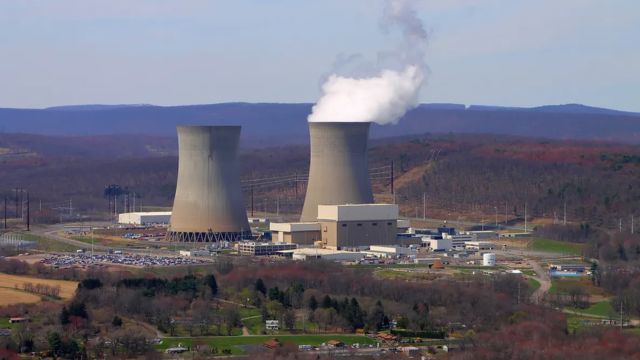
    Talen Energy Corporation (NASDAQ: TLN), a leading independent power producer with a focus on nuclear, natural gas, and other generation assets (primarily in the PJM market), experienced a sharp decline recently. On March 20, 2026, shares closed at $302.97, down 10.91% (or -$37.10) from the previous close of $340.07. The stock traded in a wide range that day, hitting a low of $301.45 and a high of $337.41, with significantly elevated volume of around 1.8 million shares (a surge compared to recent averages, indicating heavy selling pressure).

    This pullback comes after a period of volatility in March 2026, where the stock had been trading in the $320–$340 range earlier in the month but faced downward momentum. Here’s a breakdown of the main reasons behind the recent drop:

    • Analyst Price Target Adjustments and Sentiment Shift: On or around March 19–20, 2026, JPMorgan Chase lowered its price target on TLN from $448 to $421 while maintaining an “Overweight” rating. This adjustment contributed to a 7.1% intraday drop in some sessions, with the stock dipping as low as $314. While the consensus remains positive (around 12 “Buy” ratings, average target ~$438–$440 from firms like Morgan Stanley at $474 and others), the cut signaled some caution on near-term upside amid broader market dynamics.
    • Valuation Concerns and Profit-Taking: TLN has been a high-flyer in the energy sector, driven by AI/data center power demand, long-term PPAs (e.g., with Amazon), and expansions like the $3.45B acquisition of 2.6 GW natural gas assets. However, the stock’s premium valuation (high P/E multiples in the 80s in some views) and leverage ratio near 3.0x (with a target to stay below 3.5x post-acquisitions) raised red flags. Investors appear to be taking profits after strong prior gains (e.g., market cap growth of ~79% in recent periods), especially with conflicting signals like Weiss Ratings’ earlier downgrade to “Sell” in late February 2026.
    • Broader Market and Technical Factors: The sharp March 20 drop coincided with a 334% surge in trading volume, suggesting accelerated selling or hedging. Technical indicators show breaks in upward trends, with the stock sensitive to sector rotations in utilities/energy amid macro uncertainty (e.g., interest rates, economic data). Despite strong fundamentals—like 2025 adjusted EBITDA of $1.035B exceeding guidance—the disconnect between operational strength and stock performance fueled the selloff.
    • Lingering Earnings Impact: Earlier in 2026 (post-Q4/FY2025 results in late February), TLN reported a net loss (including non-cash charges) and volatile EPS, which triggered multi-day declines (e.g., -14% to -18% streaks in early March). While the company remains positioned for growth via nuclear partnerships (e.g., X-energy SMR evaluation) and data center demand, near-term volatility persists.

    Overall, the decline seems more about valuation reassessment, analyst tweaks, and profit-taking than fundamental deterioration—Talen continues to benefit from surging electricity needs in PJM and beyond. Consensus analyst targets remain well above current levels (implying significant upside potential), but short-term risks include further consolidation or macro headwinds.

    For the latest real-time price (post-March 20 after-hours showed some recovery to ~$306–$307) and full details, check NASDAQ, Yahoo Finance, or Talen’s investor relations site. Investors should monitor upcoming catalysts like progress on SMR plans, data center contracts, and Q1 2026 updates.

  • Market Today: Why Is StoneX (SNEX) Stock Price Down?

    Market Today: Why Is StoneX (SNEX) Stock Price Down?

    The StoneX Group Inc. (NASDAQ: SNEX) stock has experienced notable downward pressure in recent weeks, catching the attention of investors in today’s market. As of the latest close on March 20, 2026, the stock stood at around $104.54, reflecting a recovery of +0.83% on that day but still down significantly from earlier highs in the year (such as peaks near $130+ in February). Over the past month, shares have declined by approximately 17-18% in some periods, amid broader volatility in financial services stocks. This drop comes despite the company’s strong long-term track record, including multi-year gains exceeding 200% in some metrics, prompting questions about short-term catalysts.

    One key factor contributing to the recent weakness appears to be broader market and economic concerns. In early March 2026, a surprisingly weak U.S. jobs report—showing an unexpected loss of jobs and a rise in unemployment—triggered a sell-off across financial sector names, including StoneX. Such data raises fears of slowing economic activity, reduced client trading volumes, and higher credit risks, all of which can pressure diversified capital markets firms like StoneX that rely on commodities, payments, and brokerage revenues.

    Additionally, investor sentiment has been influenced by valuation reassessments following the stock’s strong prior rally. Analysts and models (such as excess returns frameworks) have flagged the shares as potentially overvalued at recent levels compared to intrinsic estimates, with some pointing to thin margins, balance sheet leverage, and decelerating growth in certain metrics like tangible book value per share. This has led to profit-taking, especially after insider sales were reported in prior quarters, adding to near-term caution despite positive fundamentals.

    Recent corporate developments have also played a mixed role. StoneX announced an aggressive all-cash acquisition of U.K.-based CAB Payments Holdings to bolster its cross-border payments business, alongside a favorable (though lower-than-sought) resolution in a long-running legal dispute. While these moves aim to drive long-term growth and remove overhangs, markets appear to be digesting the costs, integration risks, and uncertain immediate earnings impact, contributing to the sliding price despite the strategic intent.

    Overall, the decline in StoneX (SNEX) stock reflects a combination of macroeconomic headwinds, sector-wide pressures, and reassessment of post-rally valuations rather than any fundamental deterioration in the core business. With the company maintaining solid quarterly results in prior reports and a focus on volatility-hedging services, some see this as a potential buying opportunity for long-term holders. However, near-term traders remain watchful for further economic data or deal updates that could sway sentiment. Investors should monitor upcoming reports closely as the market evolves.

  • Market Today: Bad News for NVIDIA Stock Holders

    Market Today: Bad News for NVIDIA Stock Holders

    Nvidia (NVDA) shareholders are facing a tough day as the stock continues its downward slide in March 2026. As of the most recent close on March 20, 2026, NVDA shares ended at around $172.70, marking a notable decline of about 3.28% in that session alone, with the price dipping into the low $171 range intraday. This comes after a period of volatility following the highly anticipated GTC 2026 conference, where CEO Jensen Huang unveiled optimistic updates on Blackwell and Vera Rubin architectures along with a staggering $1 trillion revenue forecast through 2027. Despite the positive long-term narrative, the market has reacted with selling pressure, pushing the stock lower from recent highs near $183-188 earlier in the month.

    The bad news stems from several headwinds weighing on investor sentiment. Broader concerns about AI capex deceleration, potential slowdowns in hyperscaler spending, and lingering questions over whether the explosive growth in data center demand can sustain at previous paces have contributed to the pullback. Additionally, external factors like the recent scandal involving Super Micro Computer (SMCI) employees charged with smuggling Nvidia chips to China have created ripple effects in the semiconductor ecosystem, raising compliance and supply chain risks that indirectly pressure Nvidia-related stocks. While Nvidia itself remains dominant with strong order backlogs and China approvals for H200 sales, the immediate market focus has shifted to near-term risks rather than the bullish multi-year outlook.

    Technical indicators show NVDA trading below key moving averages in recent sessions, with year-to-date performance turning negative amid a broader tech sector rotation. Analysts remain mostly optimistic long-term—firms like Rosenblatt have raised targets to $325 implying significant upside—but short-term momentum has favored sellers, leading to increased volatility. The stock’s drop reflects profit-taking after prior rallies and caution ahead of upcoming earnings or further macro developments.

    In summary, Nvidia holders are dealing with unwelcome downside pressure today, driven by a mix of post-GTC digestion, sector-wide concerns, and external noise. While fundamentals point to Nvidia’s continued AI leadership, the near-term outlook remains challenging, urging caution for those holding positions amid this correction phase. Investors should monitor oil/geopolitical ties and any fresh AI demand signals for potential reversal cues.

  • Market Today: Rosneft (ROSN) Hits 513 RUB as Analysts Eye 25% Upside Potential

    Market Today: Rosneft (ROSN) Hits 513 RUB as Analysts Eye 25% Upside Potential

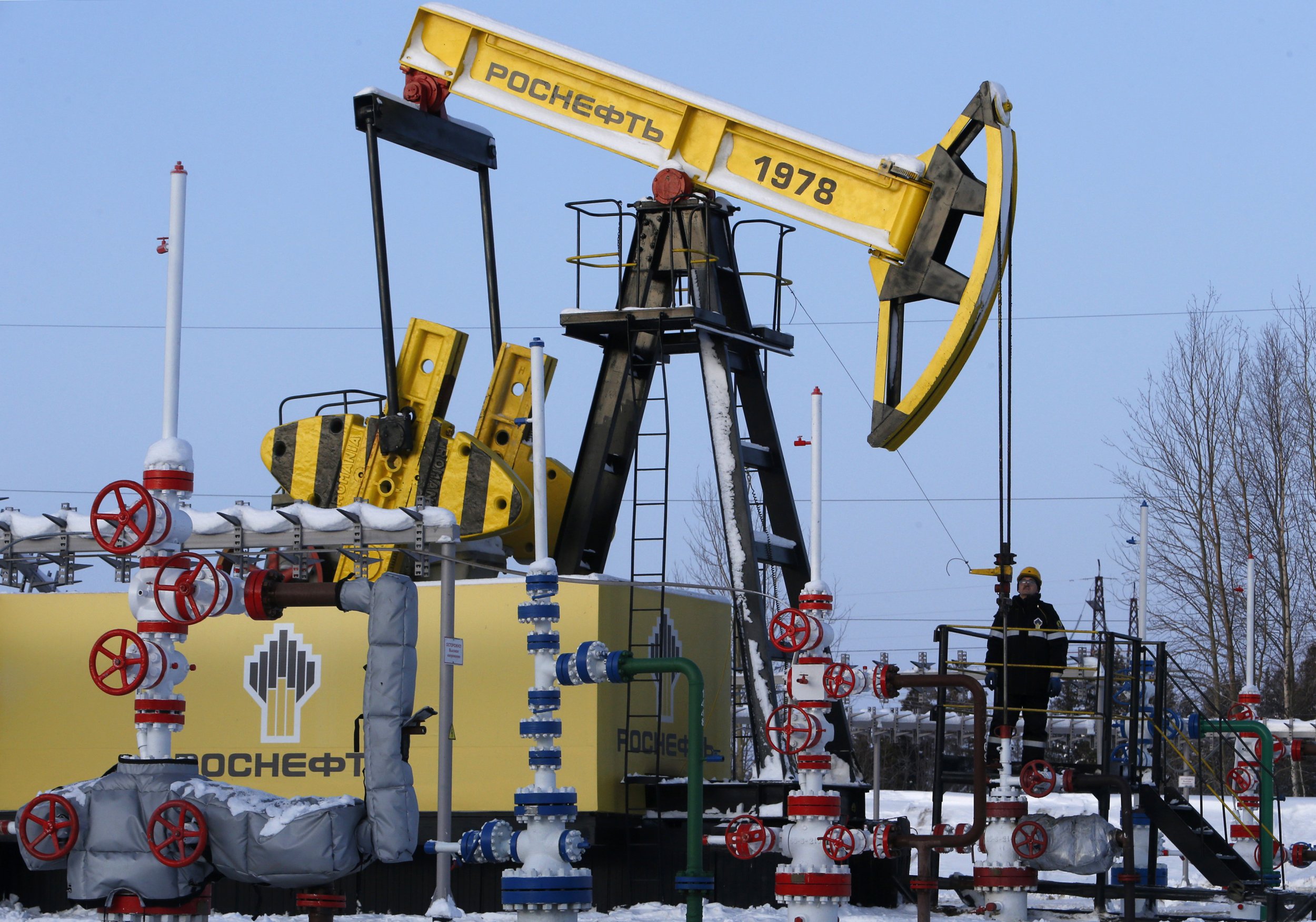
    Rosneft (ticker: ROSN), Russia’s largest oil company, is currently trading on the Moscow Exchange (MOEX) at around 513-515 RUB per share. As of the latest sessions (March 20-23, 2026), the stock closed at 512.90 RUB on March 20 with a slight gain of +0.18%, and recent intraday levels have hovered near 513.35 RUB with minor upward movement (+0.09%). The daily range has been approximately 505-514 RUB, while the 52-week range stands between 362.60 RUB and 535.70 RUB. Over the past month, the share has shown strong momentum, rising more than 30% in some periods, reflecting positive market sentiment.

    The primary driver behind this upward trend is the sharp rise in global oil prices, with Brent crude climbing above $113 per barrel (reaching levels like 113.33-113.52 USD/Bbl recently), up significantly due to geopolitical tensions, including concerns over the Strait of Hormuz and related risks in the Middle East. Higher oil prices directly benefit major producers like Rosneft, boosting revenues, profitability, and investor confidence. Trading volumes have also increased, indicating growing interest from investors amid expectations that sustained high oil prices could push the stock even higher, potentially toward 600 RUB if tensions persist.

    However, the stock remains below some earlier highs from the year, with a year-to-date performance mixed and a 12-month change around -4% to -8% in certain reports. Fundamentals remain solid: Rosneft is a strategic state-controlled entity (with significant government ownership around 75%), has strong production capacity, and offers potential for high dividend payouts. Analyst views suggest average target prices in the 545-645 RUB range (though specific 2026 consensus is limited), implying 5-25% upside from current levels depending on oil market stability.

    In summary, Rosneft shares are in a bullish short-term trend supported by elevated oil prices and geopolitical factors. It presents an attractive option for investors interested in the energy sector, but risks remain, including market volatility, broader Russian economic challenges, and potential sanctions impacts. Recent performance has been robust, with further gains possible if oil prices stay elevated.