
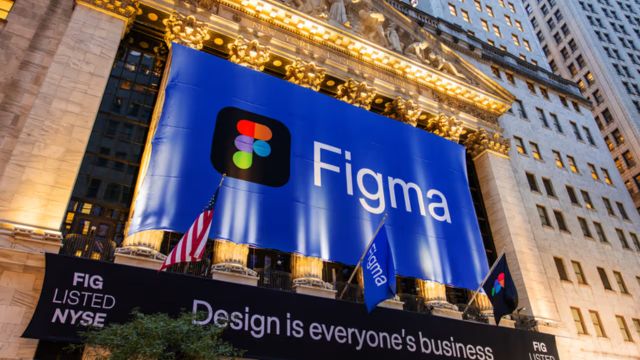
Figma (NYSE: FIG) has been one of the most closely watched stocks since its blockbuster IPO in mid-2025. After an explosive debut that saw shares briefly soar above $140, the stock has given up most of those gains. As of March 23, 2026, Figma closed at $23.20, down more than 2% on the day and roughly 37% year-to-date. Many investors are now asking whether the pain is over or if more downside lies ahead in the coming months.
The biggest reason for concern is slowing growth combined with heavy losses. Figma’s revenue continues to expand at an impressive pace, but analysts expect the growth rate to decelerate noticeably in 2026. At the same time, the company is burning significant cash due to high stock-based compensation, heavy investment in AI features, and aggressive product expansion. With the stock still trading at a premium valuation relative to its current earnings power, any disappointment in upcoming quarterly guidance could trigger fresh selling pressure.
Another major headwind is intensifying competition and AI disruption. Traditional rivals like Adobe are pushing harder into collaborative design, while new AI-powered tools are rapidly automating parts of the UI/UX workflow that Figma once dominated. Investors worry that Figma may have to spend even more to stay ahead, further pressuring margins. Broader market rotation away from high-growth tech names has also played a role in the recent decline.
Adding to the uncertainty is the overhang from share lock-up expirations. A large portion of insider and early investor shares remains restricted, with significant unlocks scheduled throughout 2026. History shows that these supply-driven events often lead to increased selling, especially when the stock has already fallen sharply from its post-IPO highs. This technical pressure could keep a lid on any near-term recovery.
While some analysts remain bullish with average price targets around $40–$43, the near-term risks are real. If Figma fails to reassure the market on growth sustainability and profitability path in its next earnings report, the stock could test even lower levels in the $19–$20 range. Investors should watch revenue guidance, AI monetization updates, and margin trends closely before considering fresh positions.